When planning a renovation, choosing the right materials is one of the biggest decisions you’ll make—one that affects your budget, your home’s appearance, and how long your investment will hold up. It’s easy to fall in love with a stunning tile or a trendy countertop you saw online, but the smartest choices balance three key factors: aesthetics, durability, and cost. The good news? You don’t have to sacrifice one to get the others. With the right information and a trusted renovation professional by your side, you can find materials that check all the boxes.
Here’s how to make confident, long‑lasting material choices for your home renovation.
1. Start With Your Lifestyle
Before comparing samples, colours, or price points, ask a simple question: How will this space be used?
Different rooms face different types of wear and tear. A busy family kitchen needs materials that can handle spills, heat, and constant traffic. A guest bathroom, on the other hand, will have a lighter workload, making it suitable for a wider range of finishes.
Consider:
- Do you have pets or young children? Choose scratch‑resistant flooring and low‑maintenance surfaces.
- Do you cook frequently? Prioritize heat‑ and stain‑resistant countertops.
- Is the space prone to moisture? Opt for water‑resistant flooring, tiles, and wall materials.
Your lifestyle is the foundation for every material decision that follows.
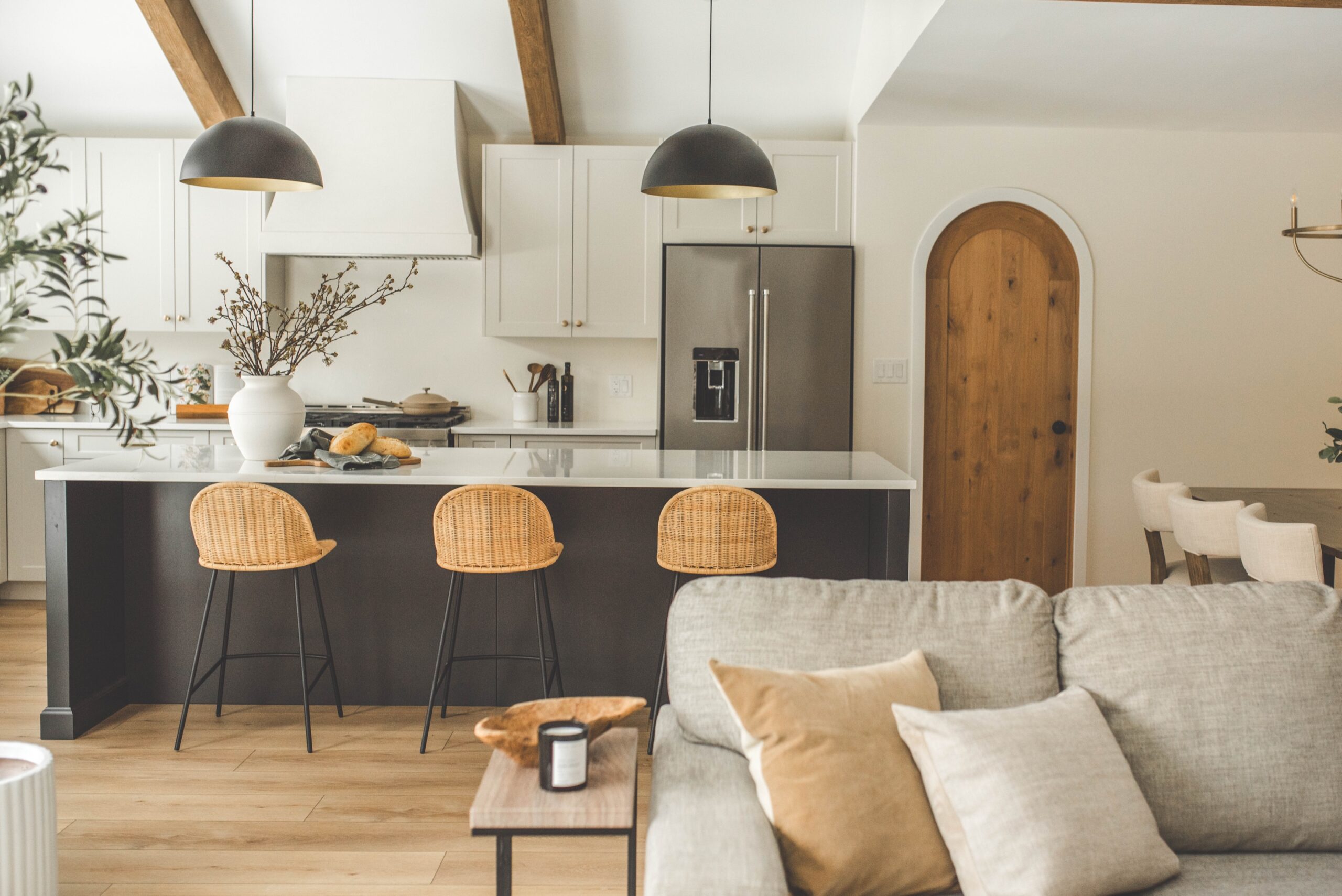
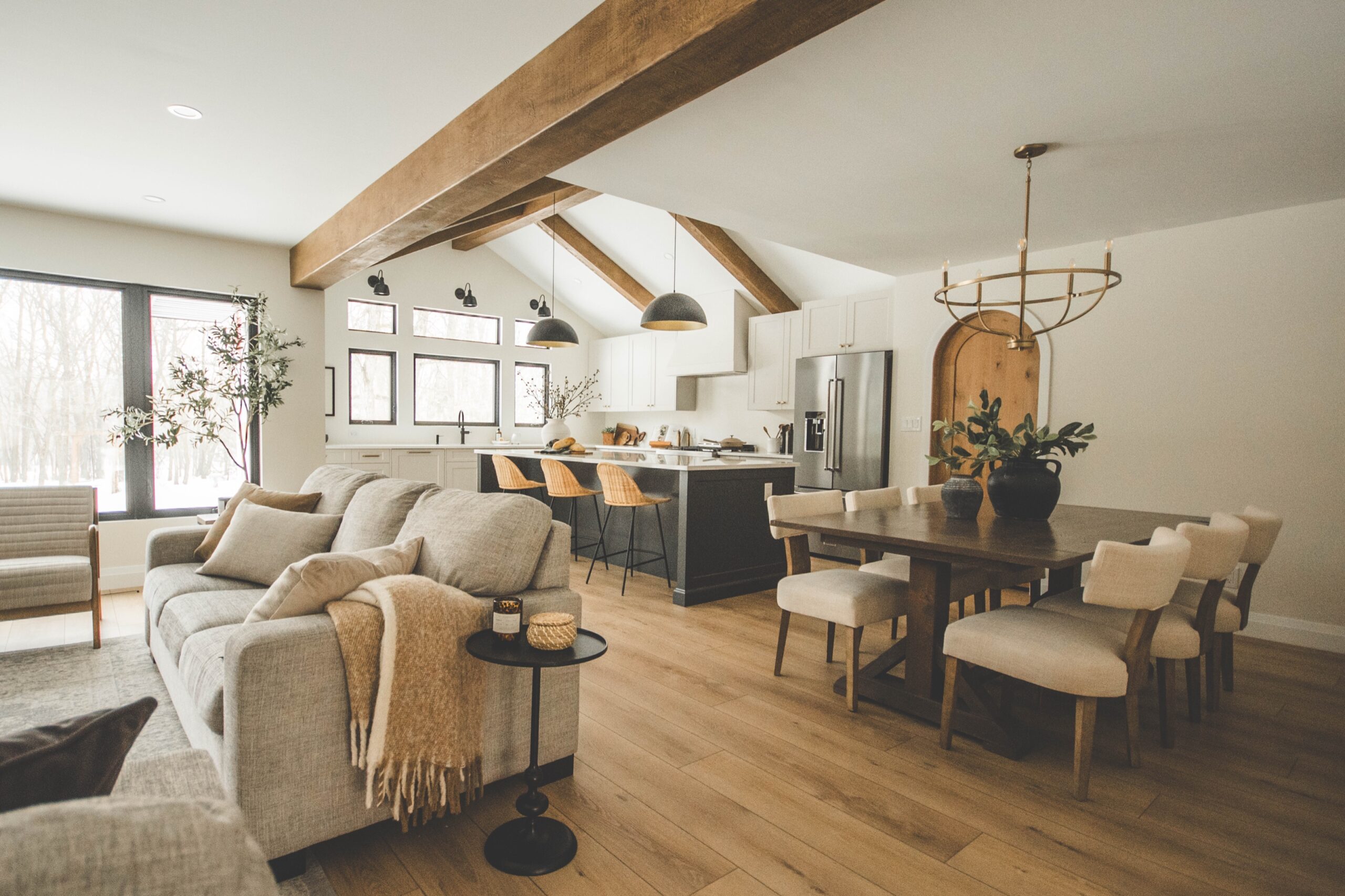
Harwood Design Builders Ltd., Oak Bluff, MB: “Cozy Countryside Remodel”
2. Understand the Durability of Different Materials
Some materials simply last longer—and perform better—than others. Knowing the pros and cons can prevent costly repairs or replacements down the road.
Flooring
- Hardwood: Classic and warm, but can scratch. Great in living areas; less ideal in moisture‑heavy zones.
- Luxury vinyl plank (LVP): Durable, affordable, and water resistant. A great choice for basements, kitchens, and mudrooms.
- Porcelain tile: Very durable, but can be cold underfoot without radiant heating.
Countertops
- Quartz: Non‑porous, stain‑resistant, and low maintenance—excellent for busy kitchens.
- Granite: Durable and natural, but requires periodic sealing.
- Butcher block: Warm and beautiful but prone to scratches, stains, and water damage without regular care.
Cabinetry & Millwork
- Solid wood: Long‑lasting with timeless appeal. Higher cost but great durability.
- MDF / engineered wood: Smooth finish, budget-friendly, and excellent for painted cabinetry.
When in doubt, choose durability for high‑traffic, high‑use, or high‑moisture areas. It pays off.

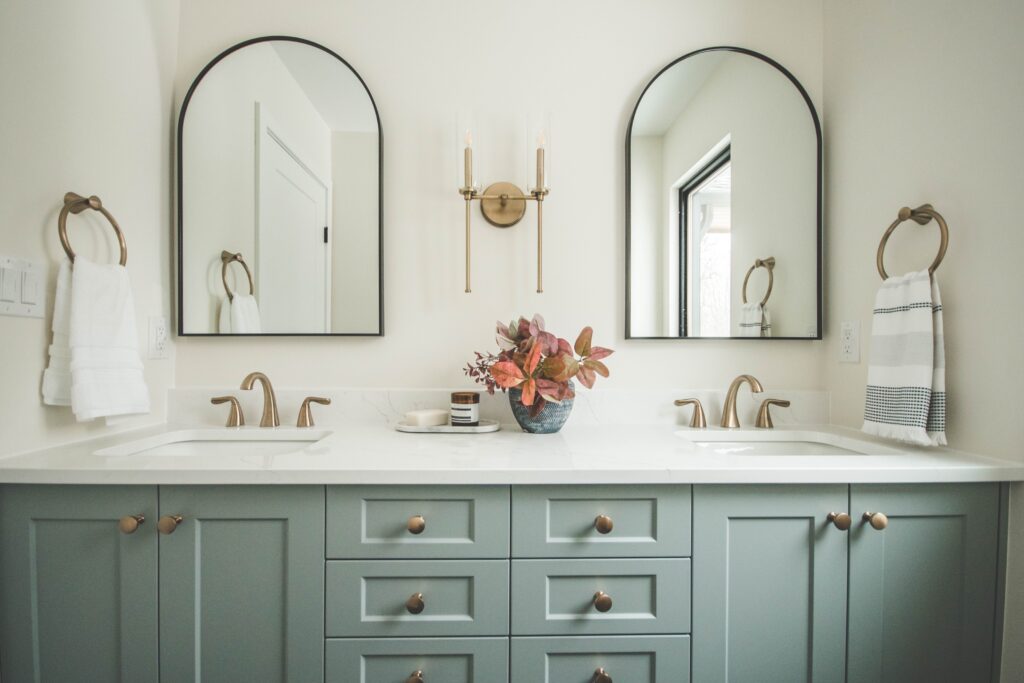
Harwood Design Builders Ltd., Oak Bluff, MB: “Cozy Countryside Remodel”
3. Evaluate Long‑Term Costs—Not Just the Price Tag
Sticker shock is real—but focusing only on upfront cost can be misleading. The true cost of a material includes installation time, maintenance needs, expected lifespan, and replacement costs.
For example:
- A low-cost countertop that stains easily may need replacing in 5–7 years.
- A high‑quality flooring product might cost more upfront but last decades with minimal upkeep.
- Cheap fixtures can wear out quickly, leading to more repairs.
Think of materials as a long‑term investment. Spending a little more now may save significantly later.
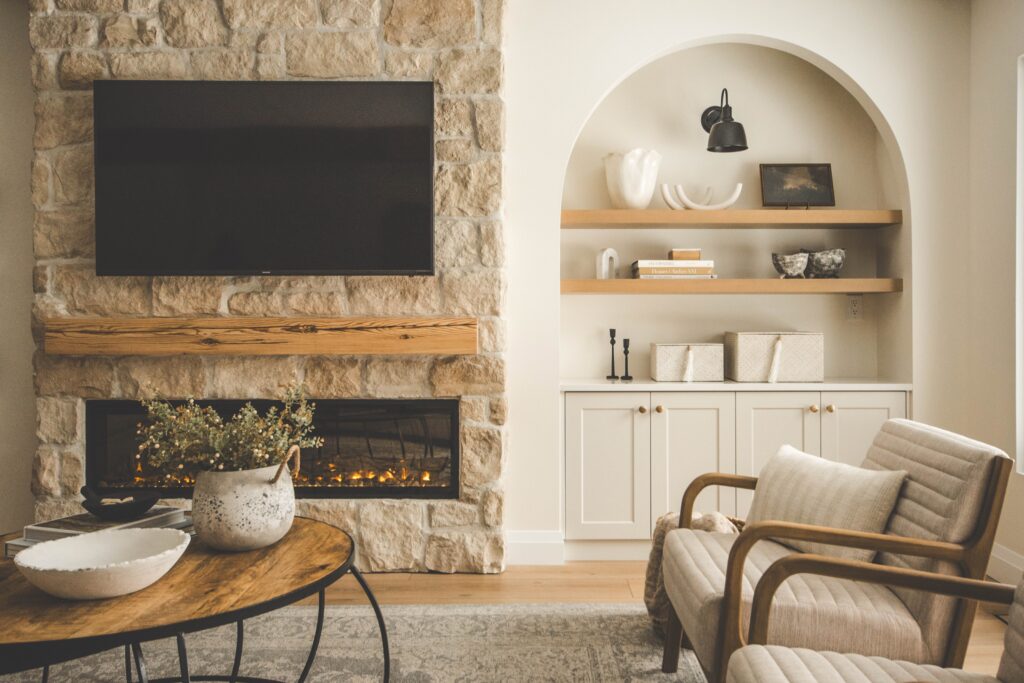
Harwood Design Builders Ltd., Oak Bluff, MB: “Cozy Countryside Remodel”
4. Don’t Forget Maintenance
Not every homeowner has the time—or desire—for high‑maintenance materials. When selecting finishes, ask: How much upkeep am I realistically willing to do?
Low‑maintenance options:
- Quartz countertops
- Porcelain tile
- Vinyl flooring
- Composite decking
Higher‑maintenance options:
- Marble (etches, stains easily)
- Wood countertops (require oiling and sealing)
- Natural stone tiles (may need sealing)
- Real wood decking (requires staining and refinishing)
Choosing materials that align with your maintenance comfort level will keep your home looking its best with less effort.
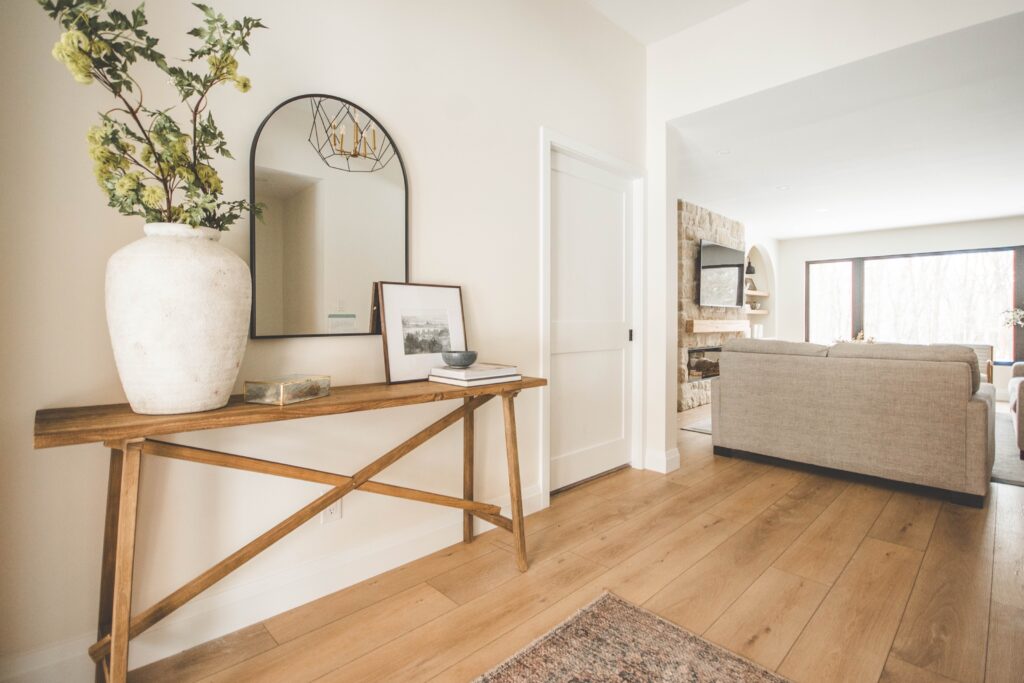
Harwood Design Builders Ltd., Oak Bluff, MB: “Cozy Countryside Remodel”
5. Think About Longevity and Timeless Appeal
Trends can be tempting, but they don’t always age gracefully. If you’re investing in a major renovation, aim for a balance: long‑lasting foundational elements paired with easily changeable accents.
Choose timeless options for:
- Flooring
- Countertops
- Cabinets
- Major tile surfaces
- Exterior finishes
Experiment with trends in:
- Paint colours
- Lighting fixtures
- Hardware
- Décor
- Statement pieces
This approach keeps your home looking current without requiring costly overhauls every few years.
Harwood Design Builders Ltd., Oak Bluff, MB: “Cozy Countryside Remodel”
6. Sample and Test Before Deciding
Always see materials in person—and whenever possible, bring samples home. Lighting conditions, wall colours, and adjacent materials all affect how a product looks in real life.
A few pro tips:
- Compare samples in natural and artificial lighting.
- View them during different times of day.
- Place flooring samples underfoot to feel texture and warmth.
- Test how easily surfaces scratch or stain (carefully!) using spare samples.
These small checks can prevent big regrets.
7. Work with a Professional Who Knows the Industry
Contractors and designers who work with materials every day know what lasts—and what doesn’t. They also have access to reputable suppliers, realistic timelines, and accurate cost expectations.
RenoMark renovators follow a strict Code of Conduct, ensuring professionalism, transparency, and quality. Their insight can help you choose materials that deliver longterm value while still achieving your vision.
Ready to Choose Materials That Look Great—and Last?
Renovating is a major investment, and choosing the right materials is key to making it worthwhile. If you want expert guidance, honest advice, and a renovation done right, hire a RenoMark member for your next project. Their experience and commitment to high standards will help you make confident choices and build a home you’ll love for years to come. Find a trusted RenoMark renovator today and start planning with confidence.