Renovating your home is a major investment, not just financially, but emotionally and logistically. One of the first decisions you’ll make is choosing between a design-build firm and a general contractor. We sat down with Andrei Sosnovsky, founder of Sosna Home Renovations, a Vaughan-based renovation company with a design-build approach that has over two decades of experience helping homeowners transform their spaces.
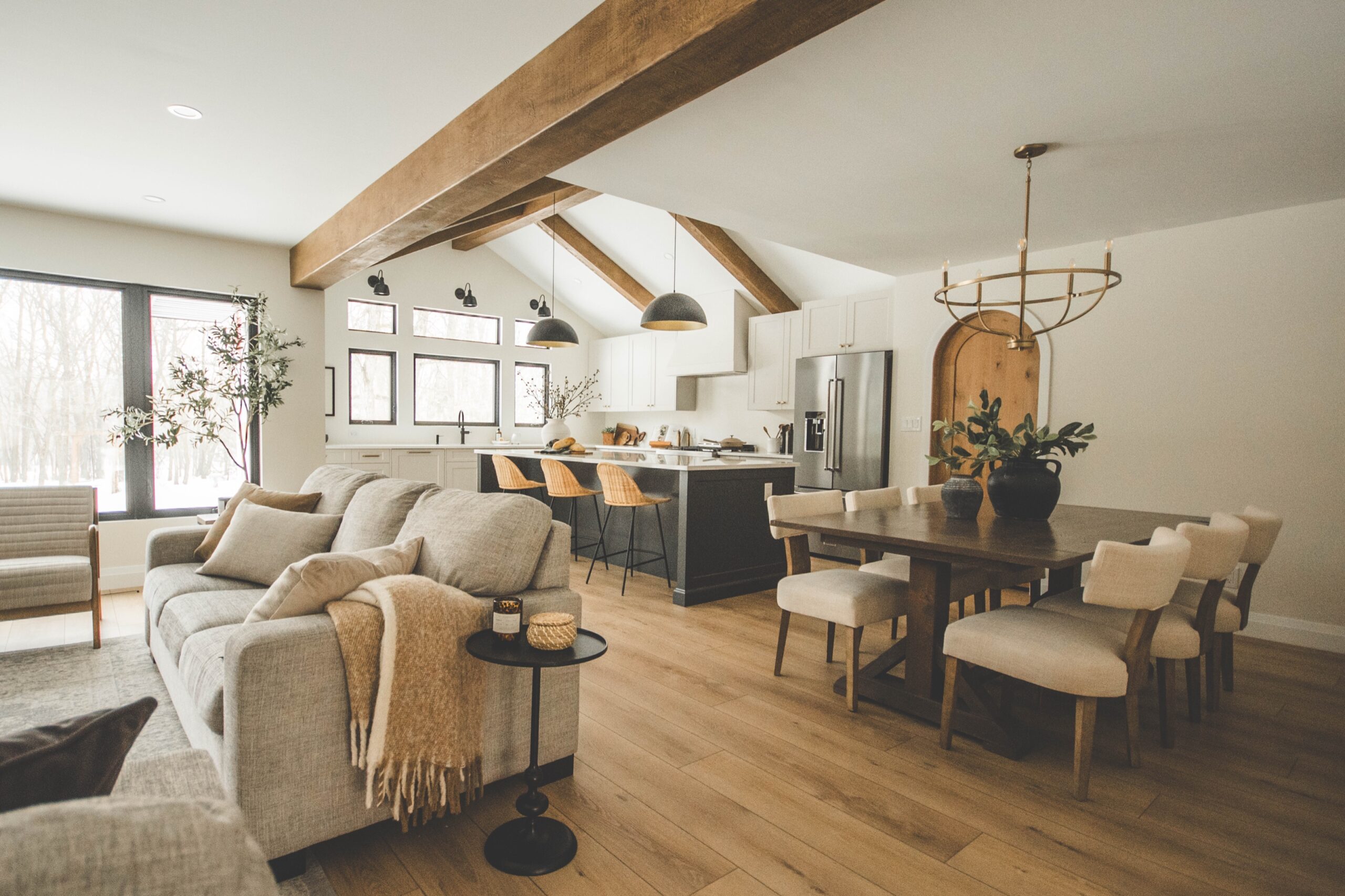
Sosna Home Renovations, Seiffer project, Richmond Hill, ON
Understanding the Two Models
At its core, Andrei says the difference between design-build and general contracting comes down to who holds the reins.
Design-build firms offer a single point of contact for the entire project. From initial design to final construction, everything is handled under one roof.
General contractors, on the other hand, typically work alongside independent architects, engineers, and designers. Homeowners are often the ones responsible for coordinating between these parties.
“With design-build, the homeowner has one point of responsibility,” says Andrei. “It’s simpler, more predictable, and easier to manage.”
Which Projects Suit the Two Approaches?
Design-build is ideal for complex renovations that require thoughtful design and planning, projects like full-home remodels that include: structural changes, layout modifications or custom kitchens. These projects benefit from early collaboration between designers and builders, ensuring that creative ideas are grounded in budget and feasibility.
General contracting may be suitable for straightforward renovations, like replacing flooring or updating a bathroom, where design input is minimal. Andrei also notes that homeowners might opt for a general contractor after working with an independent designer or architect.
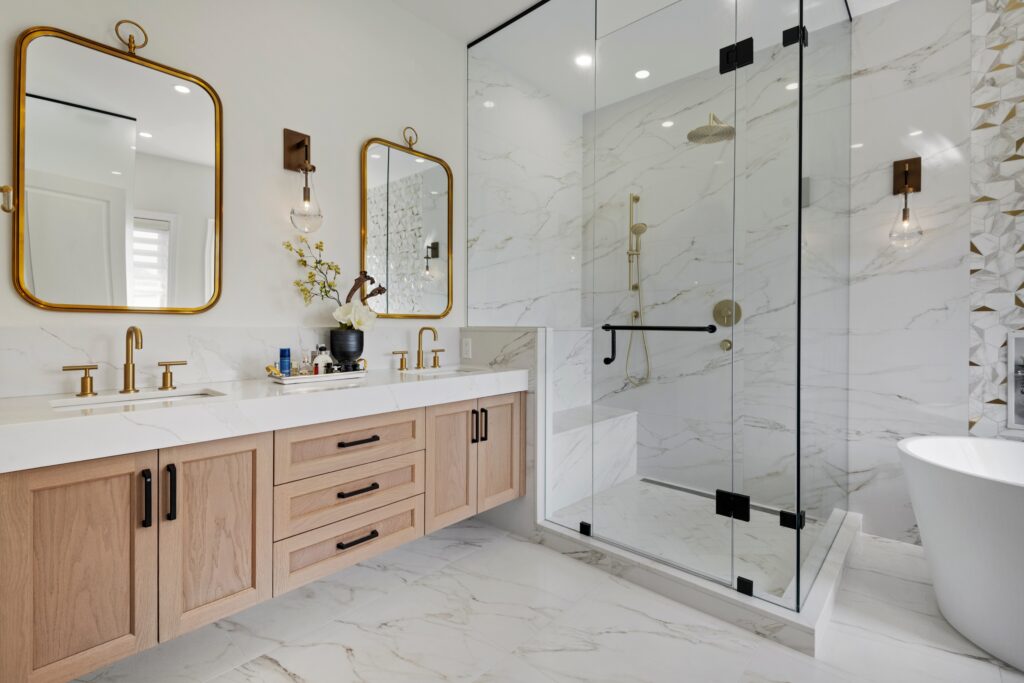
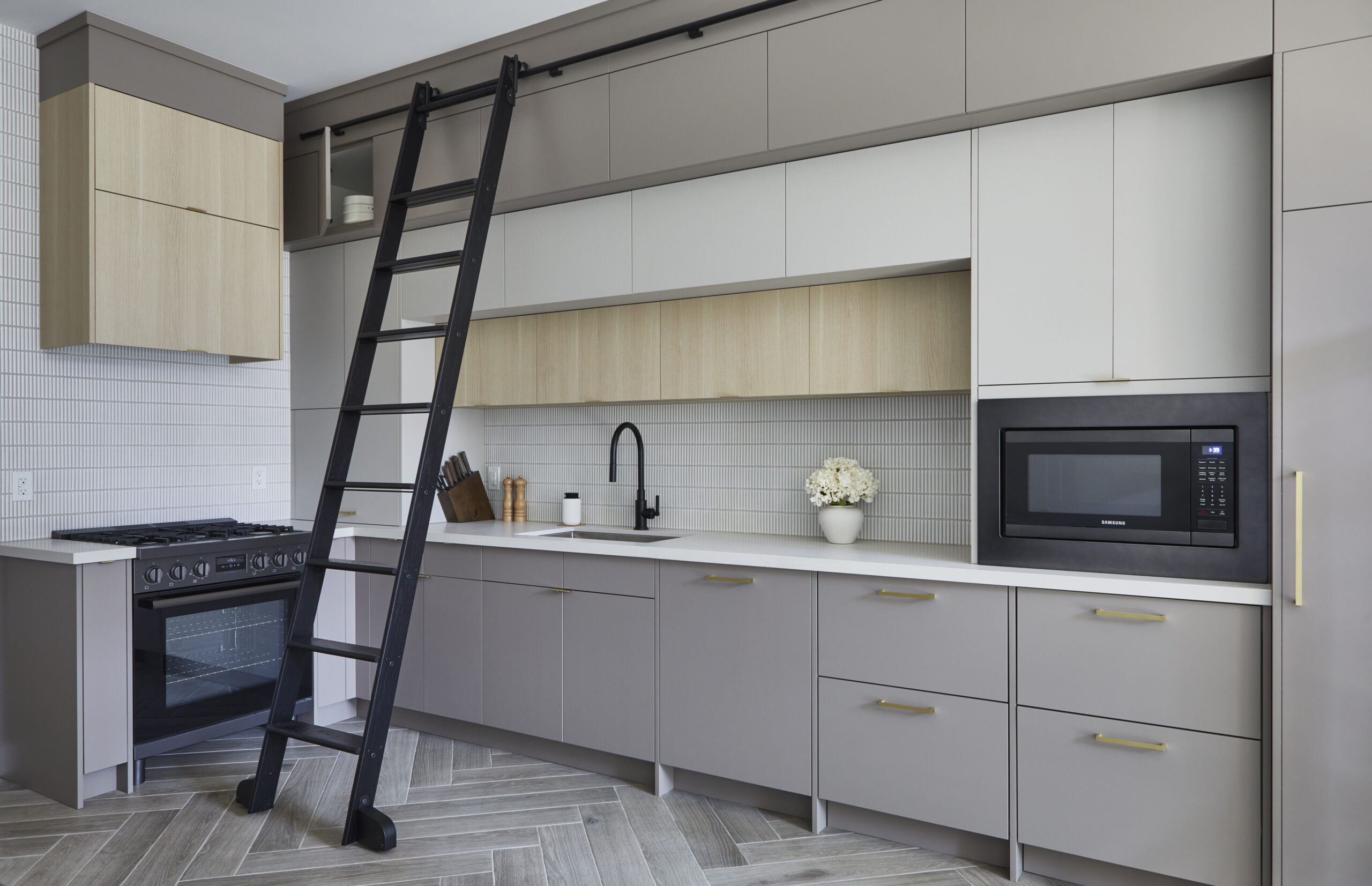
Sosna Home Renovations, Sir Modesto project, Vaughan, ON
Key Considerations for Homeowners
When deciding which model is right for you, ask yourself:
- Do you have the time and expertise to manage multiple professionals?
- Is your budget fixed or flexible?
- Is your project simple or complex?
- Do you want one party responsible for everything?
If you answered yes to wanting simplicity and a streamlined process, design-build may be the better choice.
Communication Matters
Design-build firms simplify communication. At Sosna, for example, clients work with a dedicated designer who guides them through every step.
“They literally hold your hand,” says Andrei. “It’s just one person to communicate with, which makes everything easier.”
In contrast, general contracting requires coordinating conversations between multiple parties: designer, contractor, architect, engineer, and more, which increases the risk of miscommunication and delays.
Real-Life Example: When Design-Build Makes All the Difference
Andrei shared a powerful example of what can go wrong when design and construction are disconnected.
A client purchased a home with plans to renovate and had a realistic budget. Sosna offered their design-build services, but the client chose to work with an independent designer who was a friend of a friend. The designer created a beautiful space, but without consulting Sosna’s team, engineers, or tradespeople.
Once the design was complete, the client asked Sosna to bid on the project as a general contractor. That’s when the problems began:
- The cost far exceeded the original budget.
- The design included wall-mounted toilets on exterior walls, which violates building codes due to the risk of frozen plumbing.
- Fixing this required building false walls, which triggered a domino effect, redesigning the powder room, adjusting the kitchen layout, and more.
“These issues would’ve been caught immediately in a design-build process,” Andrei explains. “Instead, the client spent months designing and quoting, only to realize the project wasn’t feasible.”
Ultimately, the client sold the home without renovating. Thankfully, they returned to Sosna with a new property and completed a successful renovation using the design-build model.
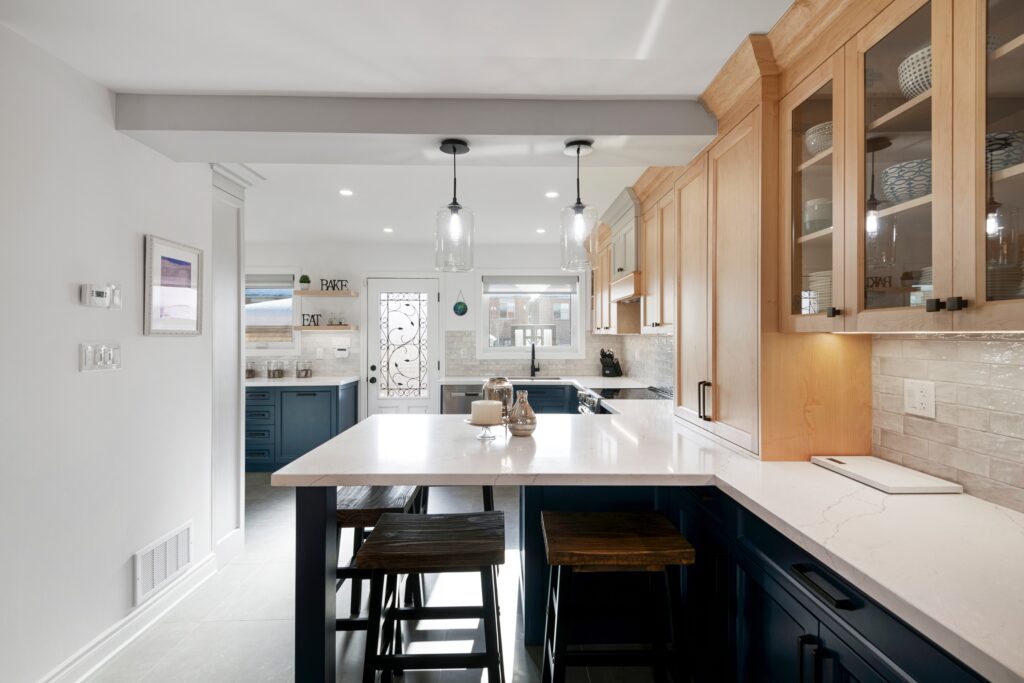
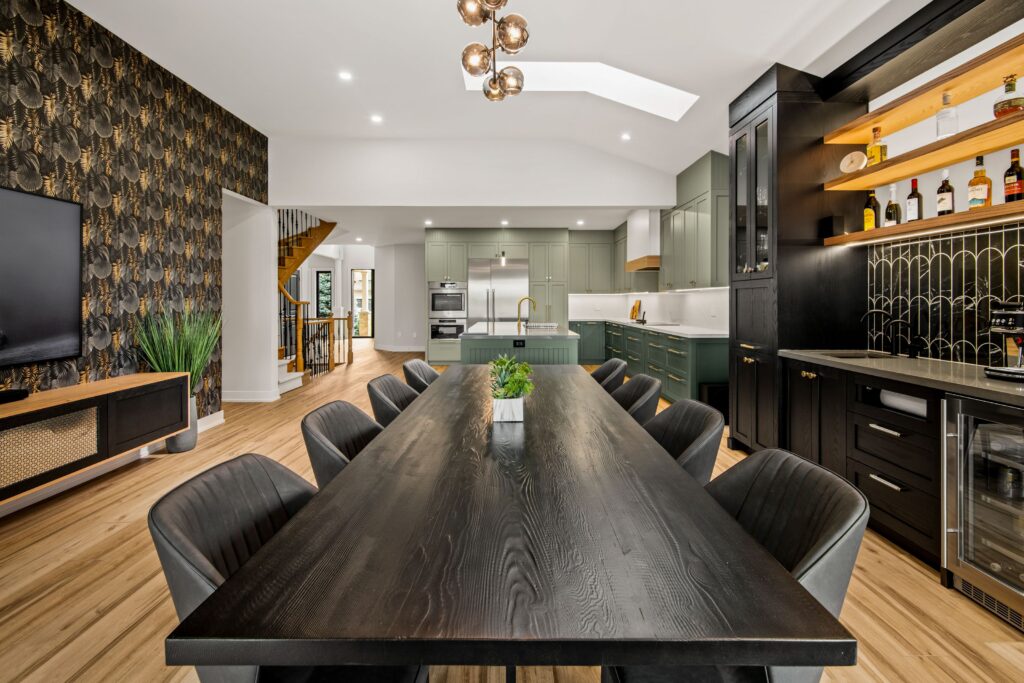
Sosna Home Renovations, Viella project, Toronto, ON
Q&A with Andrei Sosnovsky from Sosna
Q: Is design-build more expensive than hiring a general contractor?
Not necessarily. Design-build firms work with your budget from the start, helping you avoid costly surprises later. General contractors may quote based on designs that aren’t feasible or budget-friendly.
Q: Can I use my own designer with a design-build firm?
Some firms allow it, but I wouldn’t recommend it. Disconnecting design from construction can lead to costly mistakes and delays.
Q: What if I already have a design?
You can still work with a general contractor, but be prepared for potential change orders and budget adjustments if the design wasn’t reviewed by construction professionals and your home was not thoroughly inspected to prevent surprises during construction.
Q: How do I know if my project is “complex”?
If it involves layout changes, structural updates, or custom features, it’s likely complex. A design-build firm should be able to assess this during an initial consultation.
Q: What’s the biggest risk with general contracting?
Lack of coordination. Without early collaboration between design and construction, homeowners may face budget overruns, delays, and design revisions.
Questions to Ask Before Hiring a Contractor
Whether you choose design-build or general contracting, here are essential questions to ask:
- Can I speak with past clients?
- Can I visit a current job site?
- How do you handle change orders and unexpected issues?
- Do you have a clear process for design, budgeting, and construction?
- Are you RenoMark-verified?
- Will I have a single point of contact throughout the project?
- How do you ensure the design stays within budget?
- What’s your experience with projects similar to mine?
- Do you offer warranties or post-project support?
- How do you communicate progress and updates during the renovation?
Renovating your home should be exciting, not stressful. Choosing the right model and the right professional can make all the difference. If you’re looking for peace of mind, budget clarity, and a smoother experience, the design-build approach may be your best bet.
And when you’re ready to take the next step, make sure your contractor is part of the RenoMark Program. RenoMark members are committed to professionalism, transparency, and quality, giving homeowners the confidence they deserve.
About Sosna:
Sosna Home Renovations is a trusted home renovation company based in Vaughan, Ontario, with over 24 years of experience specializing exclusively in residential projects. Known for their design-build approach, Sosna helps homeowners navigate renovations with clarity, creativity, and confidence. Their team of designers, engineers, and project managers work collaboratively to deliver beautiful, functional spaces – on time and within budget. Learn more here.